

mirror glass frame design
Verktøy for nivåmåling En nøkkel til presisjon og effektivitet I en tid hvor teknologi utvikler seg raskt, er det avgjørende for industrien å ha presise og pålitelige nivåmålingsteknologier. Nivåmåling er en kritisk prosess i mange bransjer, inkludert vannbehandling, olje og gass, matvareproduksjon og bygning. Med et bredt spekter av tilgjengelige nivåmålingverktøy, er det viktig å forstå hvilke alternativer som finnes, og hvordan disse kan implementeres for å oppnå optimal ytelse. Nivåmåling refererer til prosessen med å bestemme mengden av en væske eller et fast stoff i en tank eller beholder. Det finnes flere metoder for nivåmåling, inkludert hydrostatisk måling, ultralyd, radar og kontaktløse målinger. Hver metode har sine fordeler og ulemper, og valget av verktøy avhenger av applikasjonen, typen medie og miljøforholdene. Verktøy for nivåmåling En nøkkel til presisjon og effektivitet Ultralydnivåmålere bruker lydbølger for å måle avstanden fra sensoren til overflaten av væsken. De er ikke-invasive, og de gir nøyaktige målinger over tid, men de kan være påvirket av damp eller skum på væskeoverflaten, samt avstøtningen av lydbølgene fra svært turbulente overflater. level measurement tool Radar nivåmåling har blitt stadig mer populær på grunn av dens evne til å fungere under flere forhold uten å være påvirket av damp, støv eller temperaturvariabler. Radar bruker elektromagnetiske bølger for å måle avstanden fra sensoren til væskeoverflaten og gir høy nøyaktighet selv på lange avstander. For kontaktløse nivåmålere er det vanlig å bruke laser eller optiske former for måling. Disse verktøyene gir enestående nøyaktighet og er ideelle for situasjoner der det er viktig å unngå forurensning eller kontakt med mediet som måles. De har imidlertid en høyere kostnad og kan kreve mer kompleks installasjon og kalibrering. Valget av nivåmåling verktøy avhenger også av spesifikasjonene til prosjektet. For eksempel, i mat- og drikkevareindustrien, er det avgjørende å ha måleinstrumenter som er hygieniske og enkle å rengjøre. I olje- og gassindustrien må sensorer være motstandsdyktige mot ekstreme trykk og temperaturer. Implementeringen av et passende nivåmålesystem kan føre til betydelige forbedringer i operasjonell effektivitet. Nøyaktig nivåmåling bidrar til bedre lagerstyring, reduserer risikoen for overfylling og spillet av kostbare ressurser, og bidrar til sikkerheten i anlegget. Avslutningsvis, med et mangfold av nivåmålingverktøy tilgjengelig, er det viktig for bedrifter å nøye evaluere deres spesifikke behov for å velge riktig teknologi. Med riktig nivåmåling kan man oppnå høyere presisjon, effektivitet og sikkerhet i driften, noe som til slutt leder til økt produktivitet og lønnsomhet. I en verden hvor presisjon er nøkkelen, er investering i de rette nivåmålingsteknologiene avgjørende for å forbli konkurransedyktig.
about
mirror glass frame design
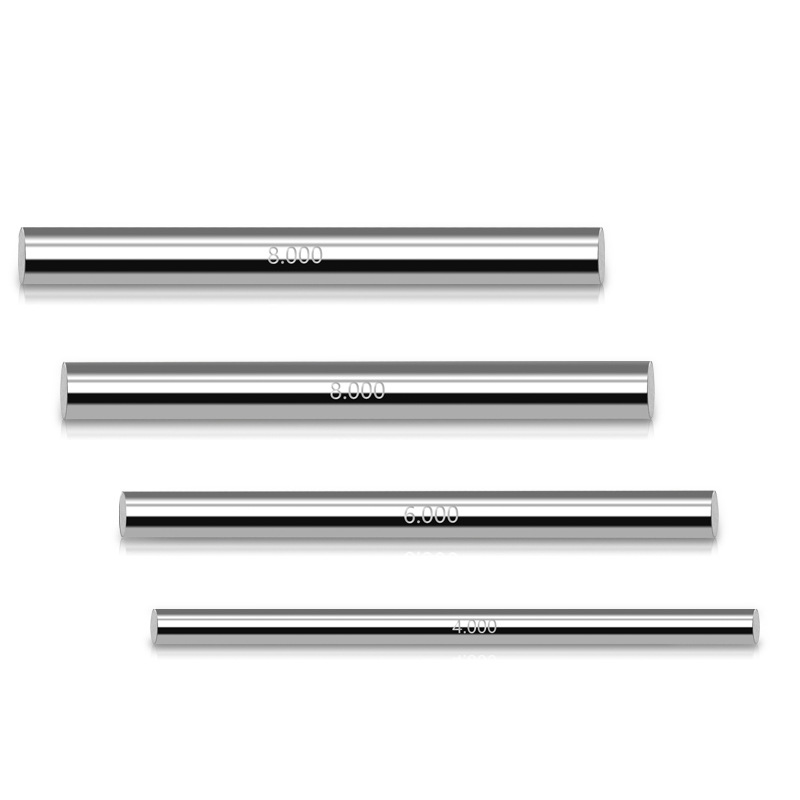
Understanding Standard Plug Gauges An Essential Tool in Precision Engineering In the world of manufacturing and engineering, precision is of utmost importance. Whether it’s in automotive production, aerospace engineering, or any form of mechanical assembly, ensuring that components fit together perfectly is vital for the safety, functionality, and quality of the final product. One of the key tools used to achieve this level of precision is the standard plug gauge. What is a Standard Plug Gauge? A standard plug gauge is a cylindrical tool used to measure the diameter of holes or the internal dimensions of parts. It serves two primary purposes to check whether a hole is within a specified size tolerance (go) or if it is out of specification (no-go). The gauge typically features two ends—one marked “go” and the other marked “no-go.” When the “go” end of the plug gauge fits snugly into the hole, it indicates that the dimension is acceptable. If the “no-go” end does not fit into the hole, it further confirms that the dimension is within the specified tolerance limits. This simplicity and effectiveness make standard plug gauges indispensable in quality control processes. Construction and Materials Standard plug gauges are usually constructed from high-quality steel, which offers durability and resistance to wear. They are often heat-treated to enhance their hardness, ensuring that they retain their shape and accuracy even after repeated use. The finishing process typically involves grinding and polishing to achieve precise dimensions and a smooth surface, which is important for reliable measurement. In some specialized applications, plug gauges may be made from different materials such as carbide or even ceramic, especially when extreme durability or heat resistance is required. These materials allow for greater longevity and maintain accuracy over a longer period, which is a critical factor in industries that demand high precision. standard plug gauge Applications of Standard Plug Gauges Standard plug gauges are widely utilized across various industries. In the automotive sector, they are used to ensure that engine components fit together correctly, which is essential for optimal performance and safety. Similarly, in the aerospace industry, plug gauges help maintain stringent tolerances required for aircraft parts, where even minute discrepancies can lead to catastrophic failures. Moreover, plug gauges are used in assembly lines to streamline the production process. By incorporating these gauges into the quality assurance phase, companies can detect defects early, reducing waste and rework costs. Additionally, plug gauges are invaluable in tool and die making, where precision is critical for the creation of molds and parts. Calibration and Standards The accuracy of standard plug gauges is paramount to their effectiveness. Regular calibration is essential to ensure that they maintain their specified dimensions and tolerances. Calibrating plug gauges typically involves comparing them against a master gauge with known dimensions. This process helps identify any discrepancies that need adjustment. Moreover, standard plug gauges must adhere to internationally recognized standards, such as those set forth by the American National Standards Institute (ANSI) and the International Organization for Standardization (ISO). Compliance with these standards not only ensures consistency in measurement but also fosters trust among manufacturers and customers alike. Conclusion In conclusion, standard plug gauges play a crucial role in precision engineering and quality control across various industries. Their simple design, combined with their effectiveness in measuring internal dimensions, makes them an invaluable tool for ensuring that components meet rigorous specifications. As technology continues to advance, the importance of precise measurements will only increase, solidifying the position of standard plug gauges as essential instruments in the manufacturing world. Ensuring their proper use and maintenance is vital for any enterprise aiming for excellence in production and assembly processes.
-

High quality industrial productsagement

High quality industrial products
View Details -

Meet the diverse needs of customers

Meet the diverse needs of customers
View Details -

Strict quality control

Strict quality control
View Details -

Top raw materials

Top raw materials
View Details -

Trusted supplier

Trusted supplier
View Details
Our application

news and information
Vendita di gauge a spina di alta qualità disponibile online
Misuratori a Pugno in Vendita La Scelta Ideale per Ogni Professionista I misuratori a pugno, noti an
Wasserdrückregelventil - Effiziente Steuerung für Ihre Wasserversorgung
Druckregelventile für Wasseranwendungen Druckregelventile spielen eine entscheidende Rolle in der Wa
Water Control Solutions for Efficient Valve Management in Plumbing Systems
The Importance of Valve Water Management in Industrial Applications In various industrial operations
 English